


Gardening frustrations
07/07/2026
A garden can be both your greatest joy and your greatest frustration.
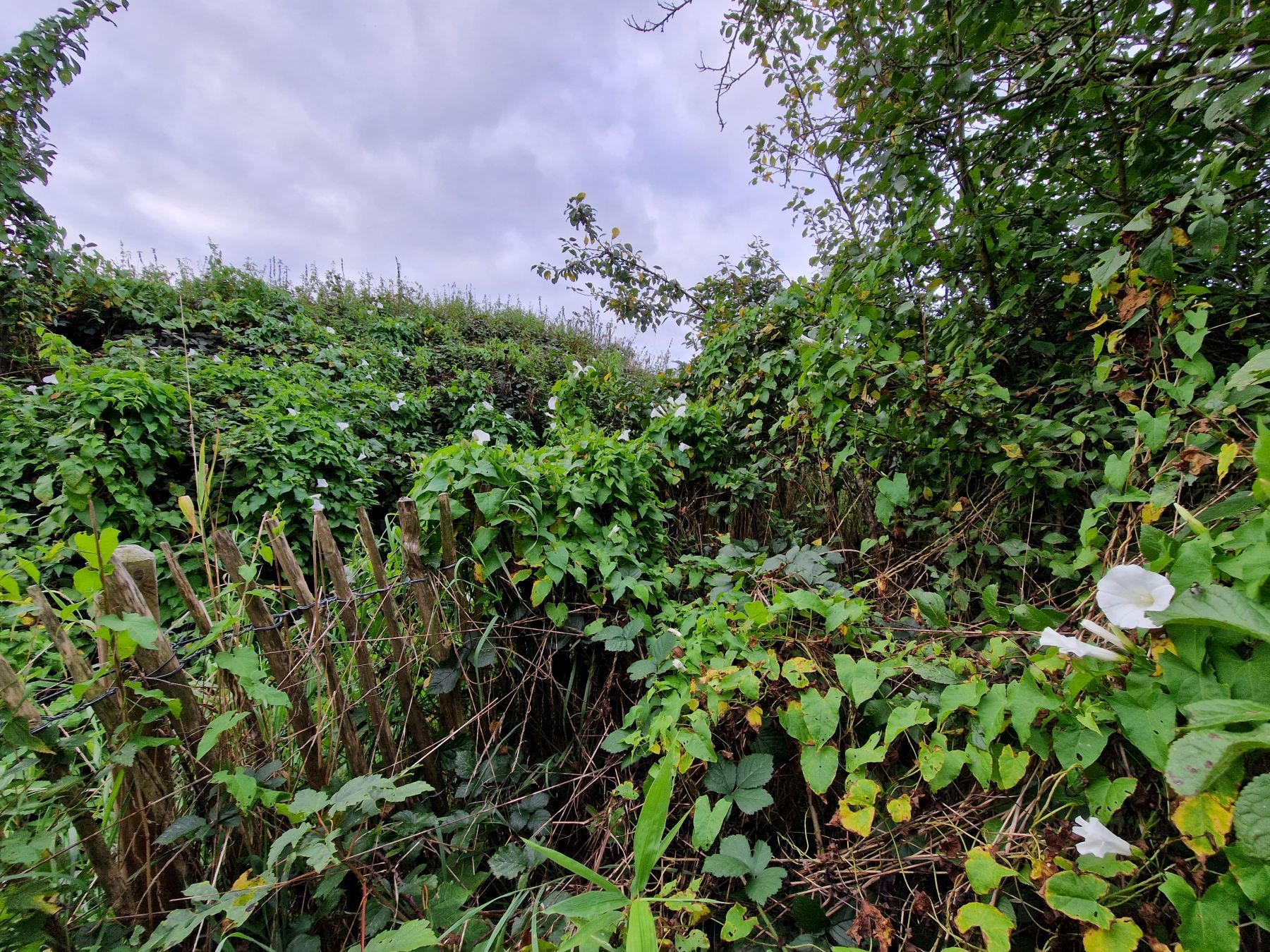
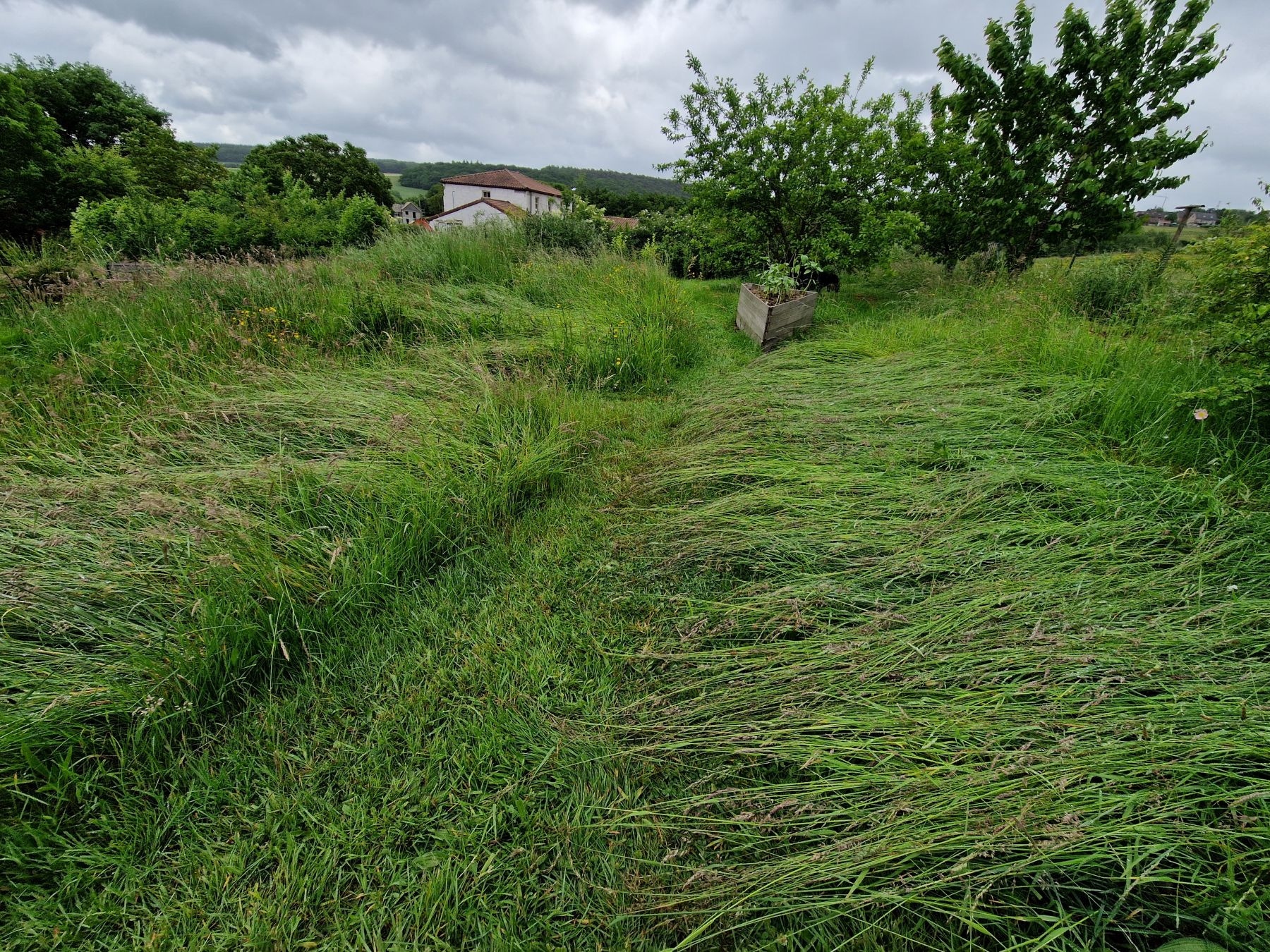
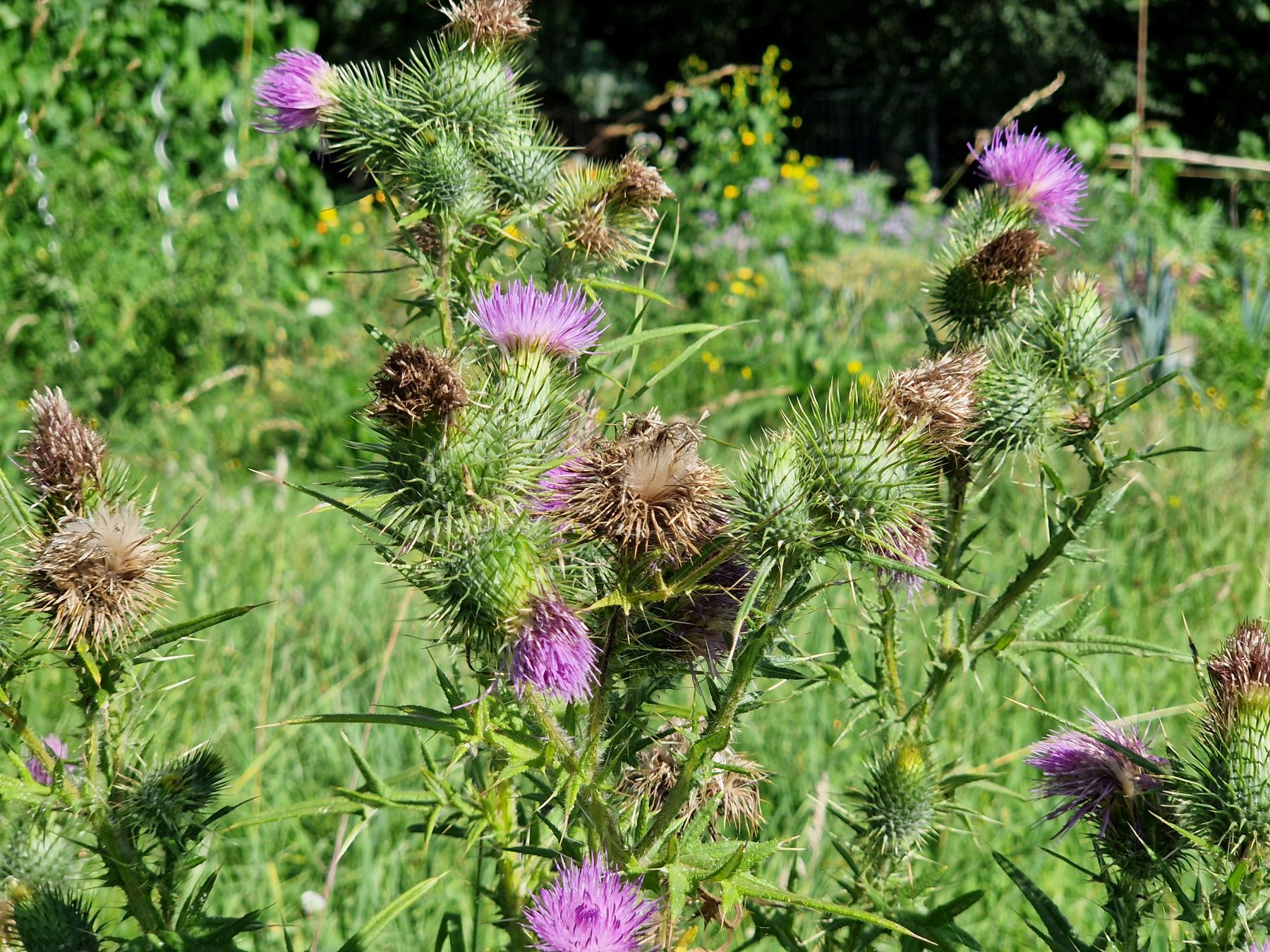
The slugs feasting on your vegetable patch, dahlias and sunflowers. Thistles and nettles that you thought you’d just eradicated, now peeking triumphantly above the ground once more. A beautifully undulating hayfield and flower meadow that lie flattened after a thunderstorm. Or a lawn that withers after a heatwave or is eaten by grubs (beetle larvae). Bindweed that wraps itself in a stranglehold around shrubs and perennials. Borders that are slowly becoming overrun with grass, despite the mulch and bio-fabric.
Every gardener will come across this sooner or later.
Gardening can be quite intense, especially during the growing season from May to July. On good days, weeding almost feels like a form of meditation. You disappear amongst the greenery and before you know it, two hours have flown by. On less favourable days, it feels as though the grass and brambles are literally growing over your head; you can’t see the forest for the trees and you don’t know where to start.
I read a good quote somewhere: “As a human, you have an impact on the garden, but no control.” That is perhaps the most important lesson a garden teaches us. Letting go is part of it, as is having a lot of patience. A bit of green mindfulness, so to speak.
Years ago, I used to think that a natural garden mainly meant letting nature take its course. I’ve learnt better since then. Because if you really let go of everything, you usually don’t end up with more nature, but mainly more of the same. Dominant species such as nettles, thistles, blackberries, field bindweed and grasses quickly take over. The high levels of nitrogen deposition in our region give these fast-growing plants an even greater head start. And an increasingly erratic climate makes it all just that little bit less predictable.
A natural garden is all about biodiversity. It’s about providing a home for as many different plant and animal species as possible. And to achieve that, you sometimes do need to intervene to maintain the mosaic of biotopes, a wide variety of plant species and sufficient vertical layering. There’s no such thing as a maintenance-free garden. However, when designing a garden, you can make plenty of smart choices to ensure that maintenance remains manageable.
Some garden design tips
- Trees, shrubs and hedges require relatively little maintenance once they are well established. A pond in the right spot or a slow-growing hedge also requires surprisingly little work. A lawn and flower meadow require more attention, whilst flower borders and a vegetable garden demand the greatest investment of time.
- Opt for perennials wherever possible. Annuals, such as many cut flowers and vegetables, need to be sown and planted anew every year, and the soil must be properly prepared. Perennials return of their own accord every year, provided they are in the right spot.
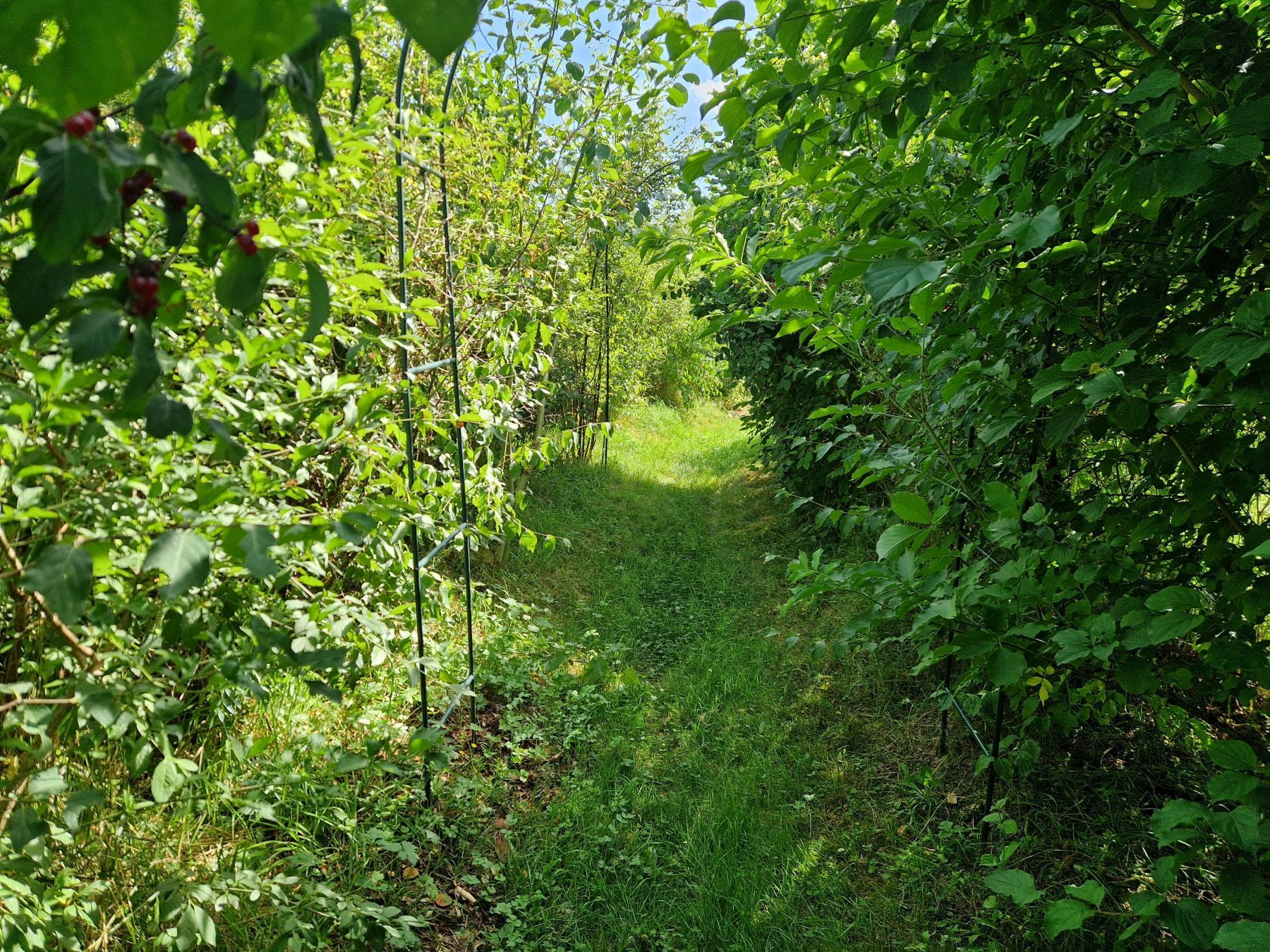
- Opt for a wild hedge or bird copse. A wild hedge only needs light topiary pruning every three to five years. This saves a lot of work and results in more flowers, berries and nesting opportunities. If you’d still prefer a neatly trimmed hedge, choose slower-growing varieties such as privet, hornbeam or beech instead of cherry laurel or box honeysuckle, which need to be pruned several times a year.
- Plant trees with care. Bear in mind their future growth – in other words, their eventual height and width. A tree planted in the right spot will require hardly any maintenance later on.
- Borders require ongoing care. Learn to recognise weeds at an early stage and take prompt action if one species becomes too dominant. Also provide a clear edging so that grass is less likely to encroach on the border.
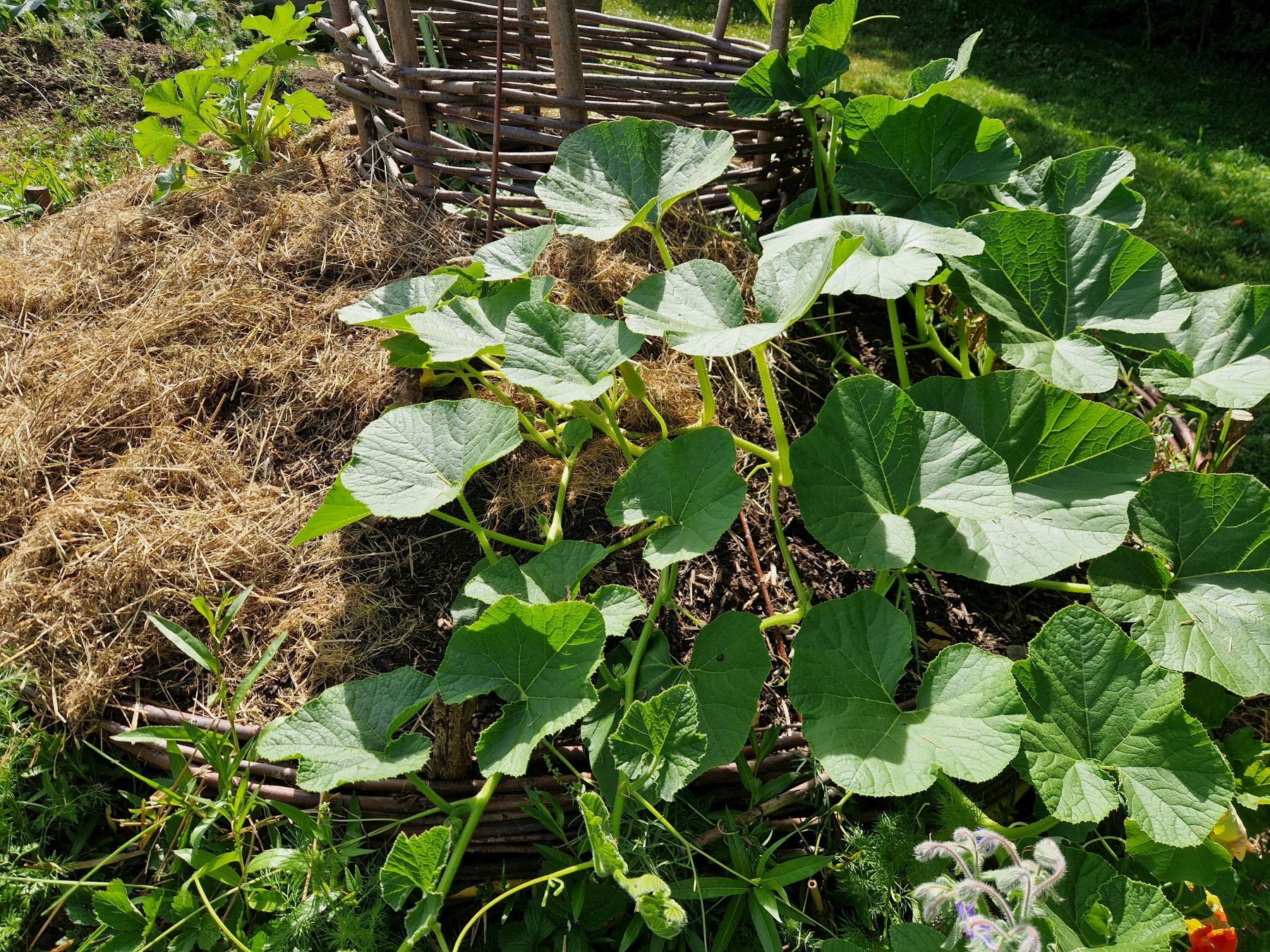
- Cover bare soil, otherwise it’s an open invitation to spontaneous growth. Mulching is perhaps the simplest way to drastically reduce weeding.
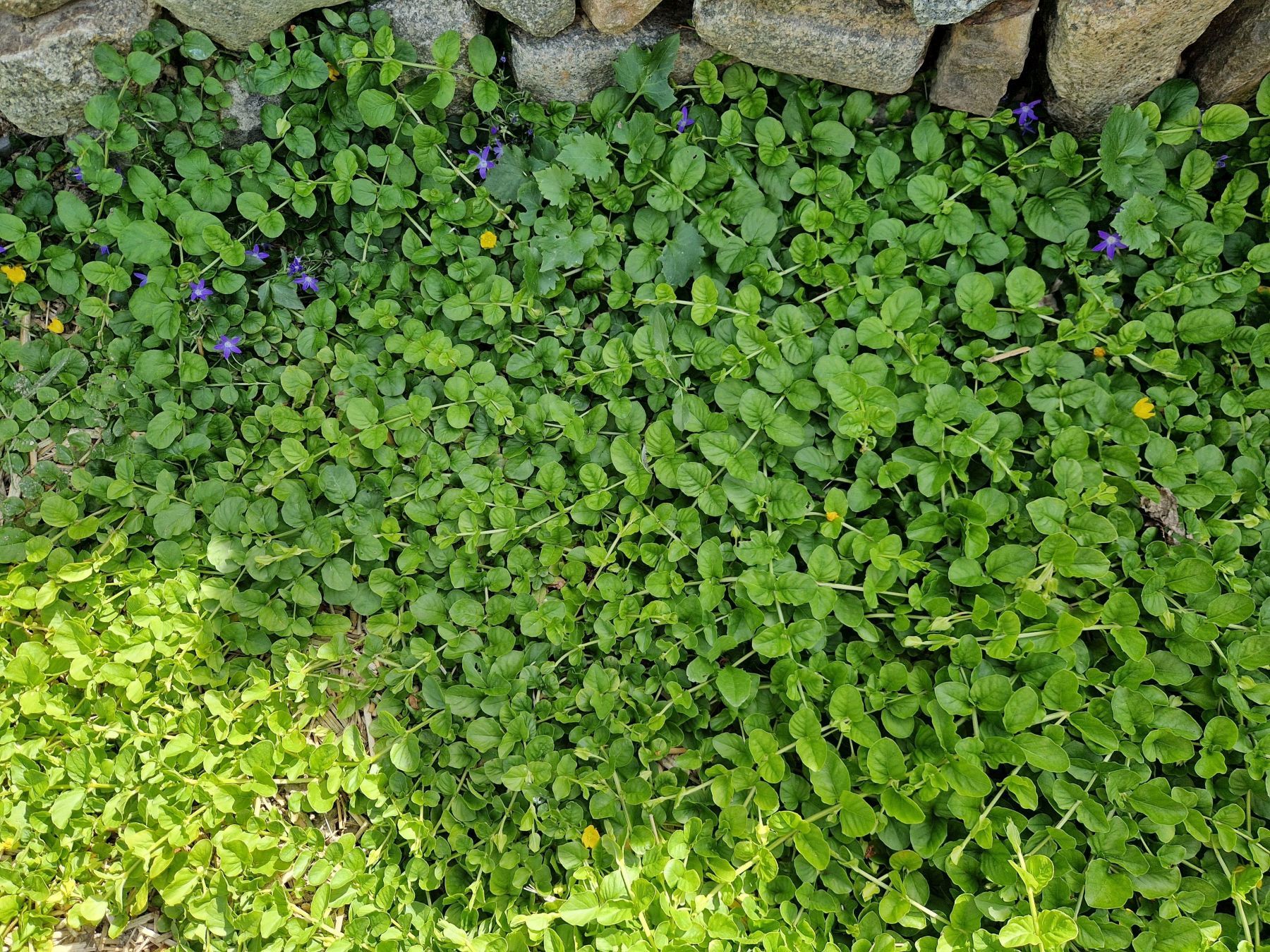
- Ground cover plants are also worth their weight in gold. They grow quickly and, once they fully cover the soil, weeds stand much less of a chance.
- Wildflower bulbs are an investment for the future. Many varieties self-seed, so you’ll get more flowers every spring without any extra work.
- Limit your lawn to what is strictly necessary and functional; this saves a great deal of mowing. Hay meadows and flower meadows only need to be mowed once or twice a year with a scythe or brush cutter
- Don’t mow your lawn too short, and avoid mowing during hot weather. Longer grass stays cooler, dries out less quickly and is more resistant to drought. So you can safely skip a mow.
- Think carefully before filling your patio with pots. The more pots you have, the more watering you’ll need to do. Healthy plants in the ground send their roots deep into the soil to find water for themselves.
- Work with the seasons. Autumn and early winter are the ideal times to plant perennials, shrubs and trees; this gives the roots plenty of time to establish themselves properly before the growing season begins. You can also plant perennials in spring, but if spring remains dry afterwards, you’ll need to water them regularly.
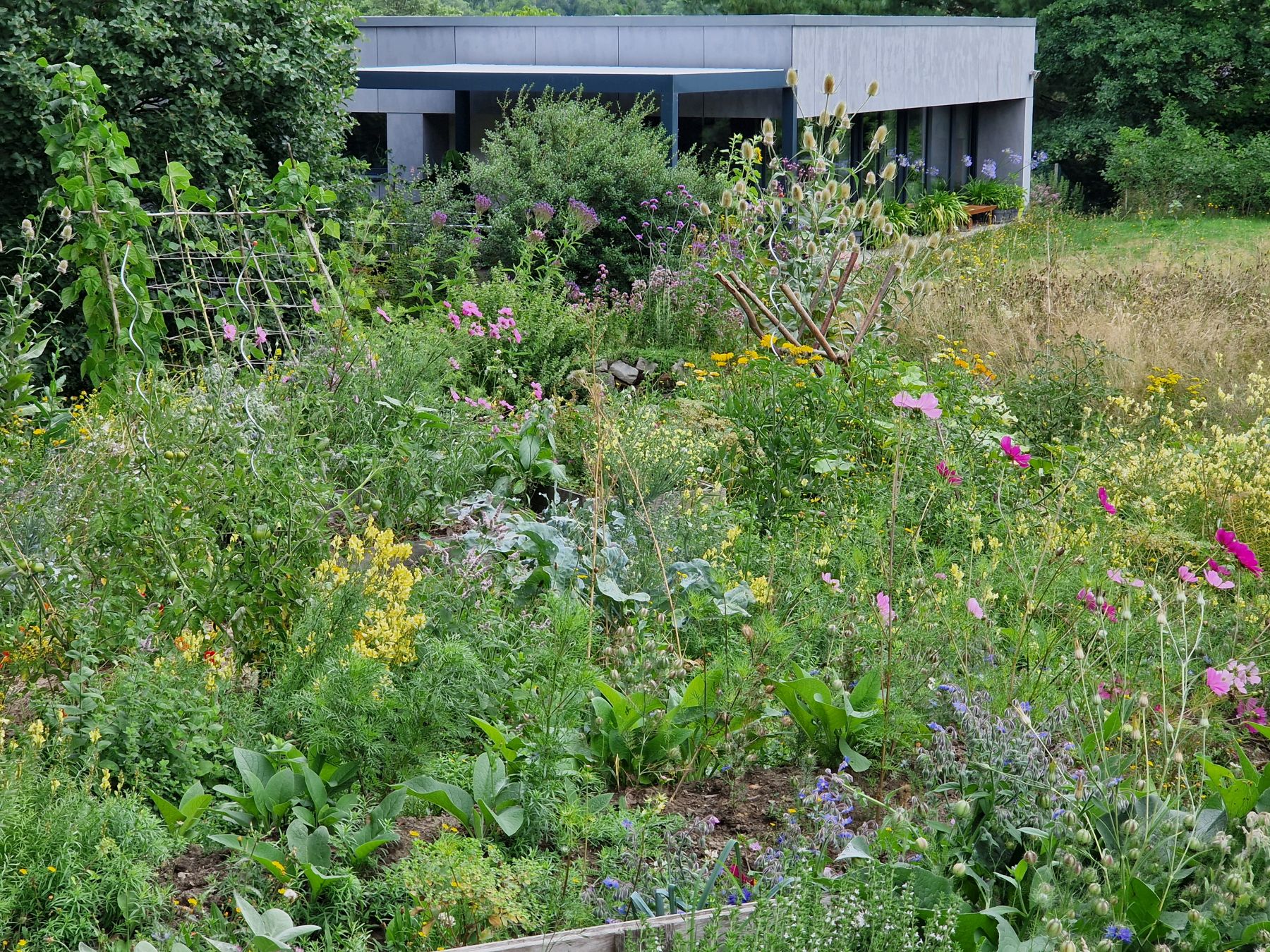
Our garden is far from perfect, and by no means do all our little gardening projects succeed. Sometimes it’s a journey of discovery: experimenting, observing, making adjustments and trying again. It’s a garden where, every now and then, something gets eaten, blown over, disappears and then spontaneously pops up somewhere else.
But that’s precisely where the charm lies for us. It’s a garden bursting with life, where new species find their place every year – the tally stands at 1,200 – and which grows a little more balanced and resilient with every season. That makes it not only more beautiful to us, but also more fascinating and exciting. There’s always something new to discover.
And yes, we too find ourselves swearing now and then and call in the snail brigade to keep our slimy friends in check. Just like everyone else. No pain, no gain!
Comments
- Leuke tekst! En fijn voor wat oplossingen. (Mieke)
- Super herkenbaar en nuttige tips, comme toujours!! (Sabine)
- Leuk om lezen en om van te dromen :-) (Annelise)
Add a comment